Get notified by email when this case is updated.
Written by: A. Smith
Published June 10, 2025 @ 8:46 AM ET
COBB COUNTY, Ga. – A former high-ranking official with the Cobb County Sheriff’s Office remains in a local jail months after being sentenced to state prison, prompting allegations of preferential treatment and possible legal violations by county officials.
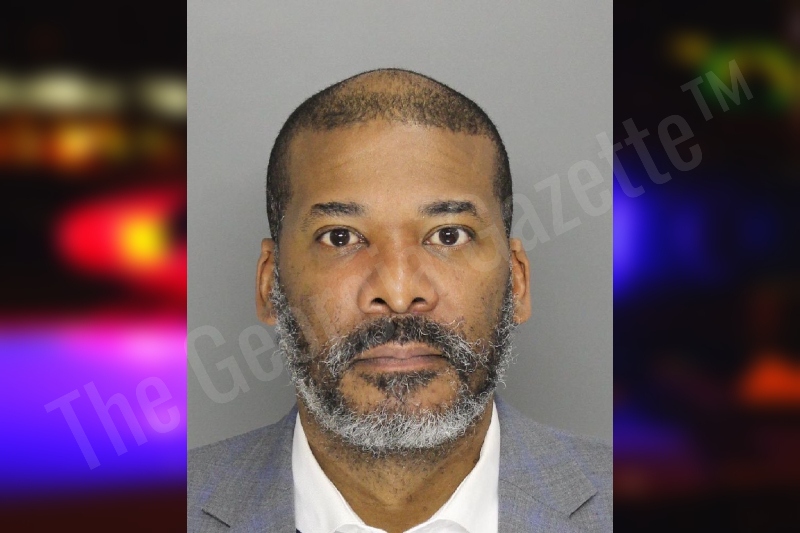
Braxton Cotton, who previously served as chief of staff to Cobb County Sheriff Craig Owens, was convicted in March on charges of making false statements tied to a hit-and-run investigation. He was sentenced to five years in prison, with six months to serve in custody. However, instead of being transferred to a Georgia Department of Corrections facility, Cotton is still being housed at the Cobb County Jail.
During a recent hearing, Cherokee County prosecutors accused the Cobb County Sheriff’s Office and Clerk of Court of deliberately delaying the transfer process.
According to reports, Chief Assistant District Attorney for Cherokee County, Katie Gropper, told a judge in court that they are concerned he is being treated differently than any other person convicted of a felony. The DA’s office believes this issue isn’t just a delay, but an abuse of power.
Court testimony revealed the sheriff’s office never submitted Cotton’s paperwork to state prison officials, despite his sentencing. Gropper said the delay appears to be a calculated move to allow Cotton to serve his sentence locally, in violation of standard protocol.
Cobb County Chief Deputy Rhonda Anderson testified that she decided not to transfer Cotton after discussions with Sheriff Owens and other command staff. She said the decision was influenced by a phone call Owens received from someone at the Department of Corrections advising against sending Cotton into the state system due to his law enforcement background and prior service on the State Board of Pardons and Paroles.
However, Georgia Department of Corrections Commissioner Tyrone Oliver denied that claim in a phone interview, saying he never contacted Sheriff Owens and lacks the authority to keep state inmates at local jails. Oliver said his office had reached out to the Cobb Clerk’s Office in March regarding Cotton’s sentencing, and was told the required documents had been submitted, though they were not received by the DOC until Tuesday, one day after the motion hearing was filed.
Cotton’s legal troubles stem from a March 2023 incident in which he falsely claimed his vehicle had been damaged in a hit-and-run. An investigation began after he reported the incident to a Cobb County police officer he personally knew.
According to arrest warrants, Cotton told the officer through texts and phone calls that an unknown vehicle struck his car on March 14. However, license plate recognition cameras showed his vehicle appeared undamaged hours later. He later changed his story, admitting the damage occurred earlier in the month and was caused by a woman he knew, who, he initially claimed, had no insurance. Investigators later found that was untrue, and phone records showed Cotton had been in contact with the woman before and after the incident.
Cotton was ultimately charged with making a false statement, filing a false report of a crime, and insurance fraud, after he allegedly submitted a claim under the pretense of a hit-and-run.
He turned himself in and was released shortly after. At the time, Sheriff Owens placed him on paid administrative leave, pending an internal investigation. The sheriff’s office said the criminal investigation was unrelated to Cotton’s official duties.
Before joining the sheriff’s office, Cotton held leadership roles with the Governor’s Office of Transition, Support and Reentry, as well as the Criminal Justice Coordinating Council. He has also served as a Georgia state trooper, a deputy sheriff, and a police officer.
The case is now drawing scrutiny not only for Cotton’s actions but also for how county officials handled his incarceration, raising broader questions about accountability and fairness in the criminal justice system.
Get notified by email when this case is updated.