Get notified by email when this case is updated.
Written by: E. George
Published January 24, 2025 @ 2:05 PM ET
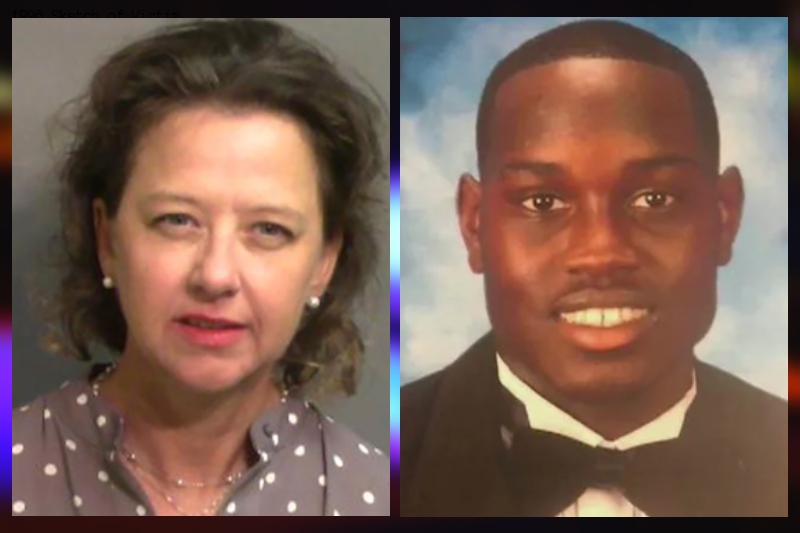
GLYNN COUNTY, Ga. – In Glynn County, Georgia, the trial of former district attorney Jackie Johnson has begun, bringing renewed attention to the case of Ahmaud Arbery, the 25-year-old Black man shot and killed by three White men in February 2020 after jogging past their residence.
The central issue at hand is whether Johnson, as the district attorney at the time, improperly influenced the investigation into Arbery’s killing. Johnson faces charges of violating her oath of office and hindering police, both stemming from allegations that she used her position to protect the men responsible for Arbery’s death. If convicted, she could face up to five years in jail.
Specifically, prosecutors claim she acted to shield Gregory and Travis McMichael, the father and son duo who chased and killed Arbery, by preventing their immediate arrest. The McMichaels, along with their neighbor William “Roddie” Bryan, initially avoided arrest for over two months until video footage of the shooting was leaked, sparking national outrage and leading to their eventual convictions.
The trial is being held in the same courthouse where the McMichaels and Bryan, who are serving life sentences, were convicted of murder in 2021; they were convicted of additional kidnapping and federal hate crimes in 2022. Given the case’s high-profile nature, officials summoned over 500 potential jurors to ensure a fair trial.
Jury selection has proven difficult, with many prospective jurors excused due to strong pre-existing opinions or biases regarding the case. Some jurors expressed firm beliefs that Johnson had obstructed justice, while others defended her actions as part of her prosecutorial duties.
As a result, the selection process has taken longer than expected, and rare winter weather conditions in the region have exacerbated delays.
Johnson’s involvement in the case has been a point of contention since the beginning. She was the district attorney when Arbery was killed, but she recused herself from the case due to her previous professional ties to Gregory McMichael, a former investigator in Johnson’s office.
However, prosecutors argue that Johnson’s recusal was insufficient and that her subsequent actions, including allegedly advising the McMichaels and requesting another district attorney to take over the case, hindered the investigation. The indictment against Johnson claims that she interfered with the arrest of Travis McMichael, allowing him to remain free for an extended period.
The leak of the shooting video in May 2020 ignited a public outcry, which eventually led to the McMichaels’ arrest and trial.
Johnson, who was voted out of office in November 2020, has denied any wrongdoing, asserting that her role was simply to recuse herself and avoid conflict of interest. However, she has faced significant criticism from activists, community members, and Arbery’s family, who contend that her actions delayed justice and allowed the McMichaels to evade accountability for months.
Prosecutors claimed that Johnson protected the suspects and displayed “favor and affection” in advising that Travis avoided arrest.
Arbery’s family, particularly his father, Marcus Arbery, has expressed hope that the trial will provide a measure of justice for their son. For them, accountability for Johnson is just as important as the convictions of the McMichaels and Bryan, as they believe that elected officials must be held responsible for ensuring equal treatment under the law.
Marcus Arbery has emphasized the importance of holding public figures accountable for actions that undermine the pursuit of justice, stating, “You get a powerful spot like that and don’t do the job? It’s hurtful.”
The case is also seen as part of a broader effort to reform a criminal justice system that has long been criticized for its treatment of people of color. Community activists in Brunswick, where Arbery was killed, have worked to mobilize voters and advocate for legislative changes in the wake of the tragedy.
Their efforts contributed to the eventual repeal of Georgia’s citizen’s arrest law, which the McMichaels had used to justify their pursuit of Arbery, as well as the passage of hate crime legislation.
As the trial progresses, the focus will remain on whether the evidence can substantiate the claims against Johnson and whether her actions amounted to a breach of her duties as a prosecutor. Testimony is expected to show phone records, including calls made by Gregory McMichael to Johnson following the shooting, as well as Johnson’s decision to ask another district attorney to take over the case.
Get notified by email when this case is updated.