Get notified by email when this case is updated.
Written by: E. George
Published May 13, 2025 @ 2:22 PM ET
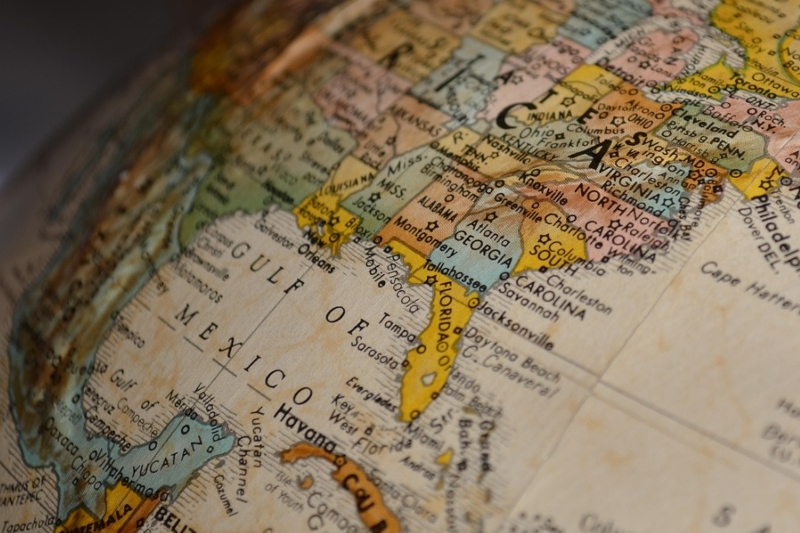
FULTON COUNTY, Ga. – In a sharply divided vote, the U.S. House of Representatives passed legislation Thursday that would officially rename the Gulf of Mexico to the “Gulf of America” in all federal records, reigniting debates over political priorities and international diplomacy.
The bill, introduced by Republican Representative Marjorie Taylor Greene of Georgia, seeks to cement a directive previously outlined in an executive order by President Donald Trump. The measure passed narrowly, 211-206, with all Democrats and one Republican, Representative Don Bacon of Nebraska, opposing it. The proposal now moves to the Senate, where its future remains uncertain amid lackluster enthusiasm even among some GOP senators.
Under the legislation, the chairman of the U.S. Board on Geographic Names would be required to reinterpret any federal mention of the Gulf of Mexico as referring to the Gulf of America. Federal agencies would have 180 days to revise official materials, including maps, databases, and publications, to reflect the change.
While executive orders like the one issued on Trump’s first day in office can direct federal agencies, legislation would make such changes more permanent by insulating them from reversal by future administrations.
Supporters of the bill argue that renaming the Gulf reflects the United States’ economic and security role in the region. They contend that it reinforces national sovereignty and sends a signal about American dominance in adjacent waters.
Opponents, however, have dismissed the bill as a distraction from pressing national issues, including inflation, health care, and public safety. Critics say that renaming a body of water shared with other nations, including Mexico and Cuba, is impractical and diplomatically provocative. They also question the value of dedicating legislative time and resources to a symbolic name change when more pressing policy challenges persist.
The legislation’s reception in the Senate has been tepid. Senate Majority Leader John Thune of South Dakota has not committed to bringing the bill forward, indicating that the chamber’s attention is currently directed elsewhere. Even if the bill reaches the floor, it would likely struggle to clear procedural hurdles without bipartisan support.
The initiative has also drawn rebuke from international leaders. Mexican President Claudia Sheinbaum reaffirmed her country’s intention to continue using the name Gulf of Mexico and hinted at possible diplomatic pushback. She described the measure as an affront to regional history and mutual respect.
Internationally, geographic naming conventions are governed by cooperative norms, not unilateral actions. As a result, any U.S. law renaming the Gulf would apply only within American jurisdictions and would not be recognized by other countries or international organizations.
The legislation comes amid a broader trend of politicized geographic nomenclature. Trump recently suggested he may advocate for renaming the Persian Gulf to the Arabian Gulf ahead of an upcoming trip to the Middle East. Such proposals have been met with criticism from historians and regional experts who warn against politicizing names with deep historical roots.
Meanwhile, tensions between the Trump-aligned political apparatus and media outlets have also escalated. The Associated Press, which has continued to use “Gulf of Mexico” in its reporting, was temporarily barred from White House access earlier this year. A federal judge later ruled the exclusion unconstitutional, ordering equal treatment for the AP.
The House bill’s trajectory now hinges on the Senate’s willingness to engage with what many lawmakers on both sides of the aisle have labeled a symbolic measure with limited practical impact.